
In the fast-paced world of IT, leaders face the constant challenge of fostering innovation while ensuring system stability. This balance is crucial as organizations modernize their IT infrastructure to remain competitive. Drawing from my experience as a Technical Operations Manager and founder of Kaai Tech LLC, I explore how IT leaders can navigate this delicate balance.

The Need for Modernization
Modernization is essential for organizations to keep up with technological advancements and market demands. However, modernization efforts often bring risks, such as system downtime or security vulnerabilities. IT leaders must weigh the benefits of new technologies against these potential risks.
At BuyItaly Mortgages LLC, I saw firsthand how outdated systems can hinder business growth. Legacy systems can be a roadblock to innovation, as they are often costly to maintain and difficult to integrate with newer technologies. This situation is common across industries, making modernization a priority for many IT leaders.
Balancing Innovation and Stability
Embrace Incremental Changes
One effective strategy for balancing innovation with stability is to implement changes incrementally. This approach allows IT teams to test new technologies in a controlled environment, minimizing disruption to existing systems. By rolling out updates gradually, organizations can identify potential issues early and address them before they impact operations.
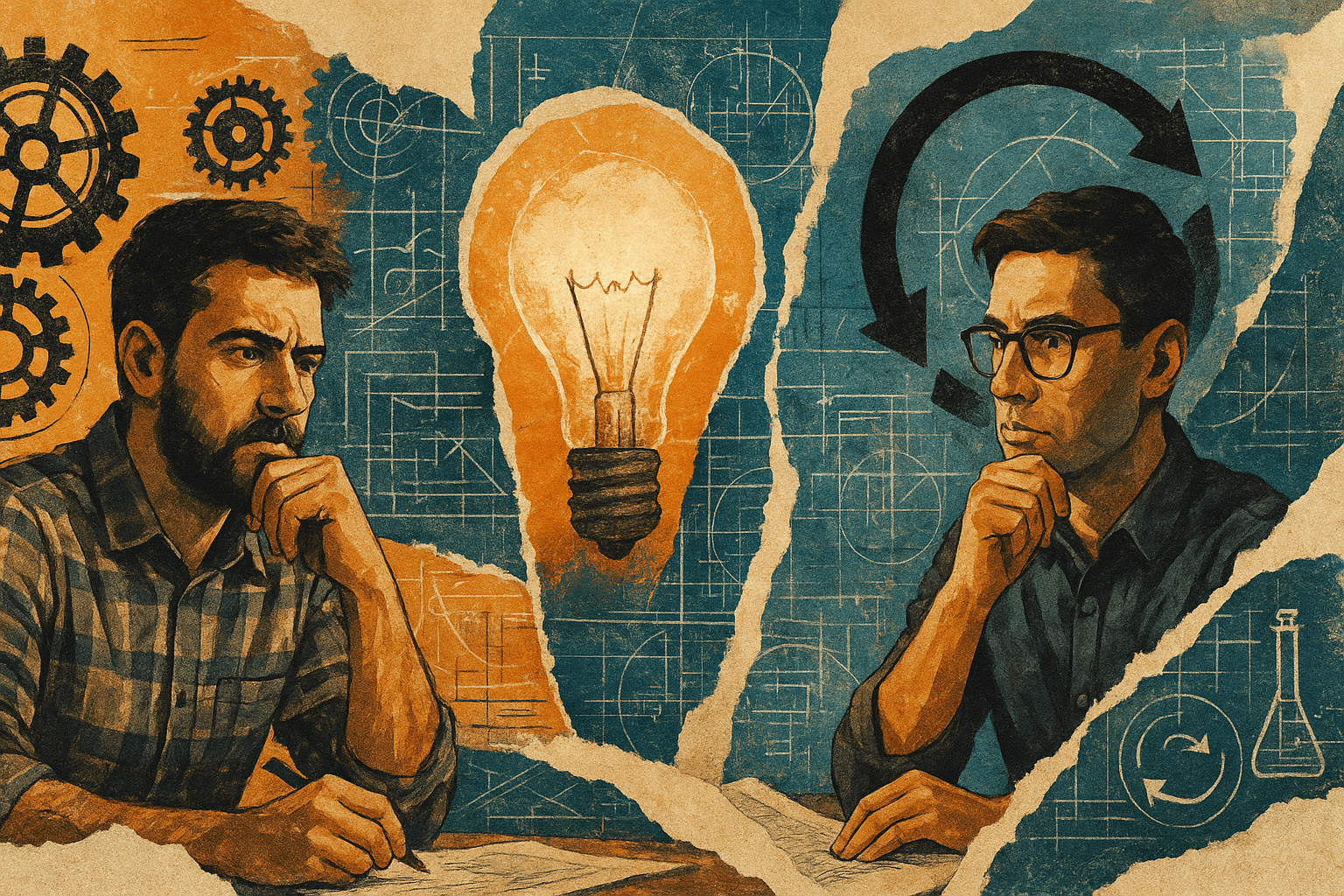
This approach aligns with the "Why Your IT Modernization Strategy Needs a 'Fail Fast' Philosophy," which advocates for rapid testing and iteration to minimize risks. By adopting a fail-fast mindset, IT leaders can encourage innovation without compromising system stability.
Prioritize Security
Security must remain a top priority during modernization efforts. New technologies can introduce vulnerabilities if not properly managed. IT leaders should ensure that security measures evolve alongside technological advancements. Regular security audits, employee training, and investing in robust cybersecurity solutions are crucial steps in maintaining a secure IT environment.
I have seen organizations fall victim to data breaches due to inadequate security measures during system upgrades. Protecting sensitive information is paramount, especially when integrating new tools and platforms.
Foster a Culture of Adaptability
Creating a culture that embraces change is essential for successful modernization. IT leaders should encourage teams to be open to new ideas and approaches. This cultural shift can be supported by providing ongoing training and resources to help employees adapt to new technologies.
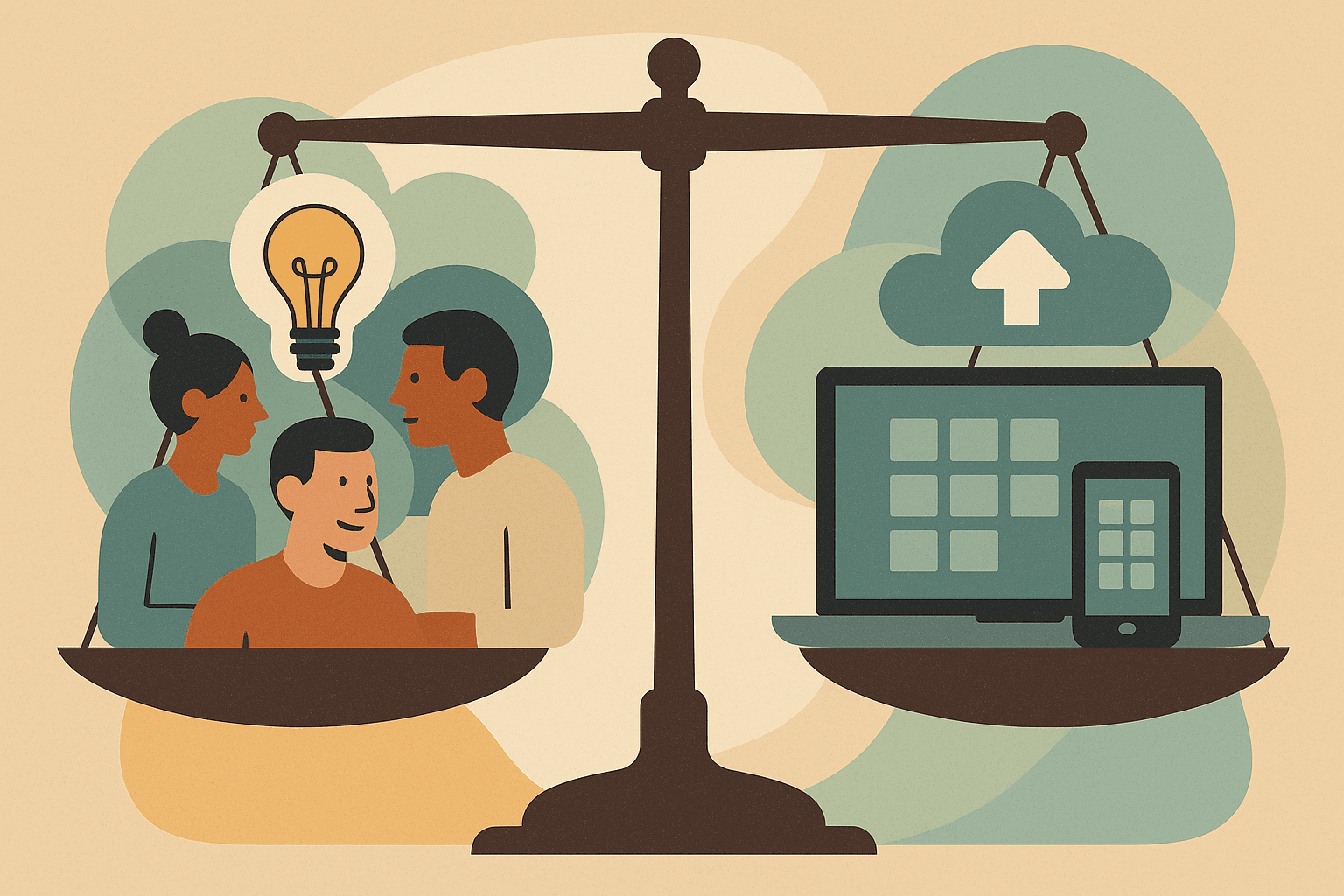
In "The Modern IT Leader's Balancing Act: Culture vs. Technology," the importance of aligning organizational culture with technological goals is emphasized. A culture that supports innovation can drive successful modernization.
Leveraging Technology for Stability
Automation as a Stability Tool
Automation can enhance system stability while freeing up resources for innovation. By automating routine tasks, IT teams can focus on strategic initiatives that drive business growth. Automation also reduces the risk of human error, contributing to a more stable IT environment.
During my tenure in technical operations, I implemented automation tools that significantly improved system reliability and efficiency. For more insights on automation's role in IT, see "Lessons Learned from Building SaaS Products: The Role of Automation."
Cloud Adoption for Flexibility
Cloud technologies offer flexibility and scalability, allowing organizations to adapt quickly to changing demands. By migrating to the cloud, companies can reduce dependency on legacy systems and increase their capacity to innovate. However, cloud adoption must be managed carefully to ensure data security and compliance with industry standards.
Making Strategic Sacrifices
Innovation often requires making tough decisions about which projects to prioritize. IT leaders must be willing to make strategic sacrifices to focus resources on initiatives that align with the organization's long-term goals. This might mean deferring certain upgrades in favor of more impactful projects.
The importance of strategic decision-making is highlighted in "The Art of Saying No: Why Strategic Sacrifices Matter in SaaS Development." By prioritizing effectively, IT leaders can maintain stability while driving innovation.
Conclusion: Navigating the Paradox
Balancing innovation with stability is a challenging yet essential task for IT leaders. By embracing incremental changes, prioritizing security, fostering a culture of adaptability, leveraging technology for stability, and making strategic sacrifices, leaders can successfully navigate this paradox. Modernization is not just about adopting new technologies; it's about leading organizations through change while maintaining a stable foundation.