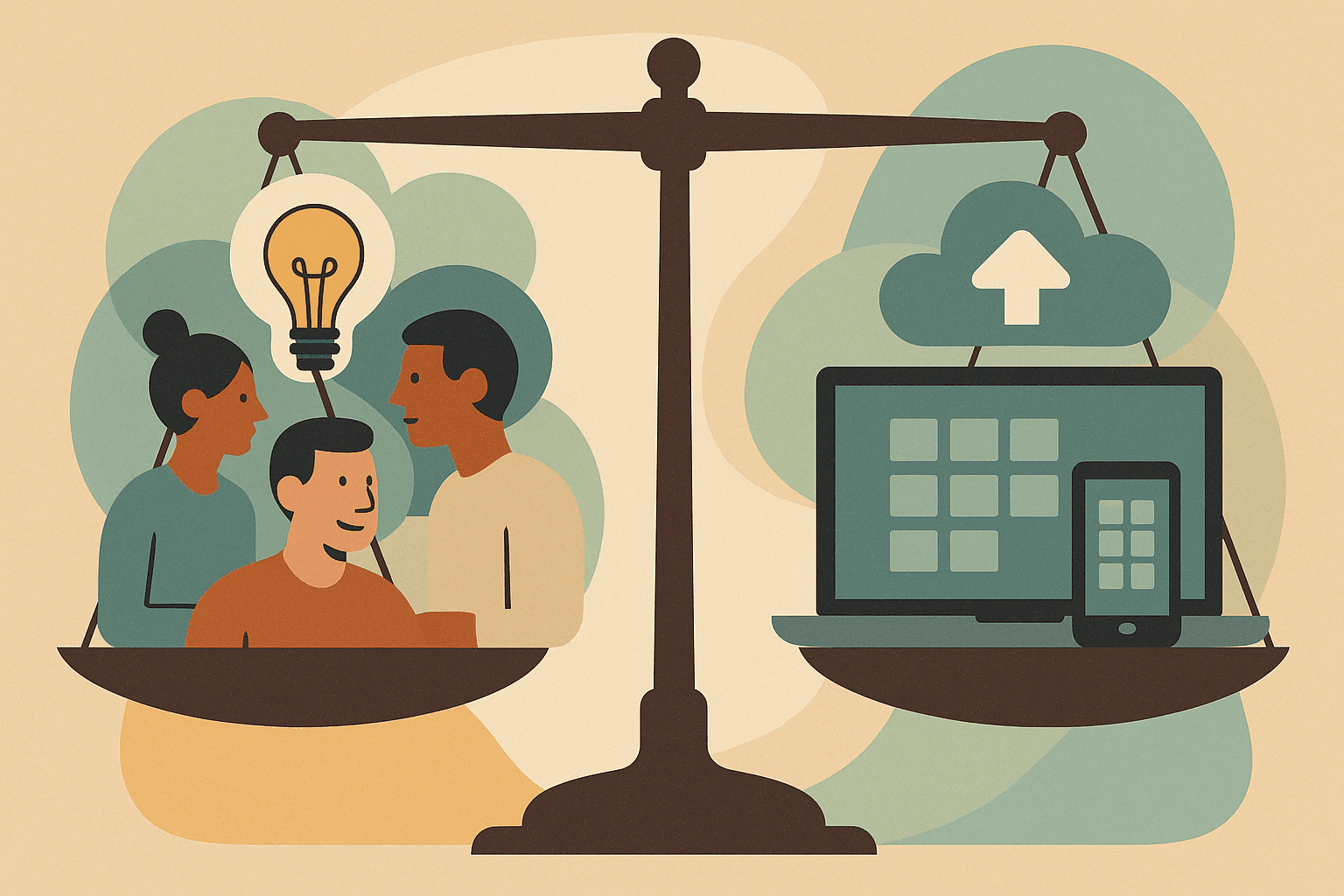

In today's fast-paced digital world, IT leaders face the challenge of keeping their infrastructures up to date while also driving innovation. Artificial Intelligence (AI) plays a critical role in meeting these challenges by accelerating modernization efforts and ensuring organizations remain competitive. From improving infrastructure to enhancing decision-making processes, AI offers numerous benefits for IT leaders aiming to modernize their systems effectively.

The Role of AI in IT Modernization
AI's impact on IT modernization is profound, providing tools and insights that can streamline processes and improve infrastructure. AI algorithms can analyze vast amounts of data quickly, uncovering patterns and insights that might go unnoticed by human eyes. This capability is crucial for identifying areas where modernization can be implemented most effectively.
For example, AI can assist in predictive maintenance by analyzing data from various sensors and systems to predict failures before they occur. This proactive approach not only reduces downtime but also extends the lifespan of IT assets.
AI's ability to automate routine tasks frees up valuable time for IT teams, allowing them to focus on strategic initiatives. This automation is especially relevant in environments where automation plays a critical role in SaaS products, helping businesses achieve efficiency and scalability.
Overcoming Challenges with AI
Despite AI's potential, IT leaders must navigate several challenges to successfully integrate it into their modernization strategies. One significant hurdle is the existing technical debt within organizations, which can slow down AI adoption. According to a study by Rocket Software, many enterprises plan to invest up to 30% of their IT budgets in modernization, yet challenges such as cybersecurity risks and skills shortages persist (Rocket Software).
Another challenge is the need for skilled talent. As highlighted by Robert Half, 87% of leaders report difficulties finding skilled IT professionals for modernization projects (Robert Half). To address this, organizations must invest in training and development programs to build a workforce capable of leveraging AI technologies effectively.
AI-Driven Decision Making
AI enhances decision-making by providing data-driven insights that inform strategic choices. With AI, IT leaders can better assess risks, forecast trends, and allocate resources more efficiently. For instance, AI can help prioritize modernization efforts by evaluating the potential return on investment for different projects.
Moreover, AI facilitates better communication and collaboration across departments by providing a unified view of data. This holistic perspective ensures that all stakeholders are aligned and informed, leading to more cohesive and strategic decision-making processes.
Enhancing IT Infrastructure with AI
Integrating AI into IT infrastructure is essential for achieving modernization goals. AI can optimize network performance, improve cybersecurity measures, and enhance cloud computing capabilities. These improvements are crucial as organizations transition from legacy systems to modern, cloud-based architectures.
AI's role in enhancing cloud services is particularly significant. By automating resource allocation and optimizing workloads, AI ensures that cloud environments are used efficiently and cost-effectively. This aligns with insights from Hyland Software, which emphasizes the importance of modern, cloud-native solutions for IT modernization.
Aligning AI with Business Objectives
To maximize the benefits of AI in modernization, IT leaders must align AI initiatives with broader business objectives. This alignment requires a clear understanding of the organization's goals and how AI can help achieve them. Strategic alignment ensures that AI investments drive value and support the organization's mission.
Incorporating AI into a company's strategy also involves addressing cultural and organizational changes. Leaders should foster an environment that encourages innovation and experimentation with AI technologies. This cultural shift is necessary to fully embrace AI's potential and integrate it into the organization's fabric.
Lessons from AI in SaaS Development
The SaaS industry provides valuable lessons on how AI can transform IT infrastructure. In SaaS development, AI tools are reshaping productivity by automating tasks and enhancing the user experience. As I discussed in how AI tools are reshaping developer productivity in 2025, AI-driven automation has become a cornerstone of modern SaaS products, driving efficiency and innovation.
These lessons are applicable beyond SaaS, highlighting the importance of early AI adoption to gain a competitive edge. By integrating AI into their modernization strategies, IT leaders can ensure their organizations remain agile and responsive to changing market demands.
Conclusion: The Future of IT Modernization
AI is a powerful tool for IT leaders aiming to drive modernization and stay competitive in the digital landscape. By leveraging AI, organizations can enhance infrastructure, improve decision-making, and align IT initiatives with business goals. However, success requires overcoming challenges such as technical debt and skills shortages, as well as fostering a culture that embraces innovation.
As technology continues to evolve, the role of AI in IT modernization will only grow more significant. IT leaders who embrace AI today will be better positioned to navigate the complexities of modernization and lead their organizations into the future.
Sources
- IT Leadership Strategies for Infrastructure Modernization
- Scaling IT Modernization Playbook: A Roadmap
- New Research Finds Majority of C-Suite Leaders Prioritize IT Modernization — Yet ROI Falls Short Without Comprehensive Strategy
- Technology Modernization: Your 2025 Talent Road Map
- Strategies for Effective IT Modernization