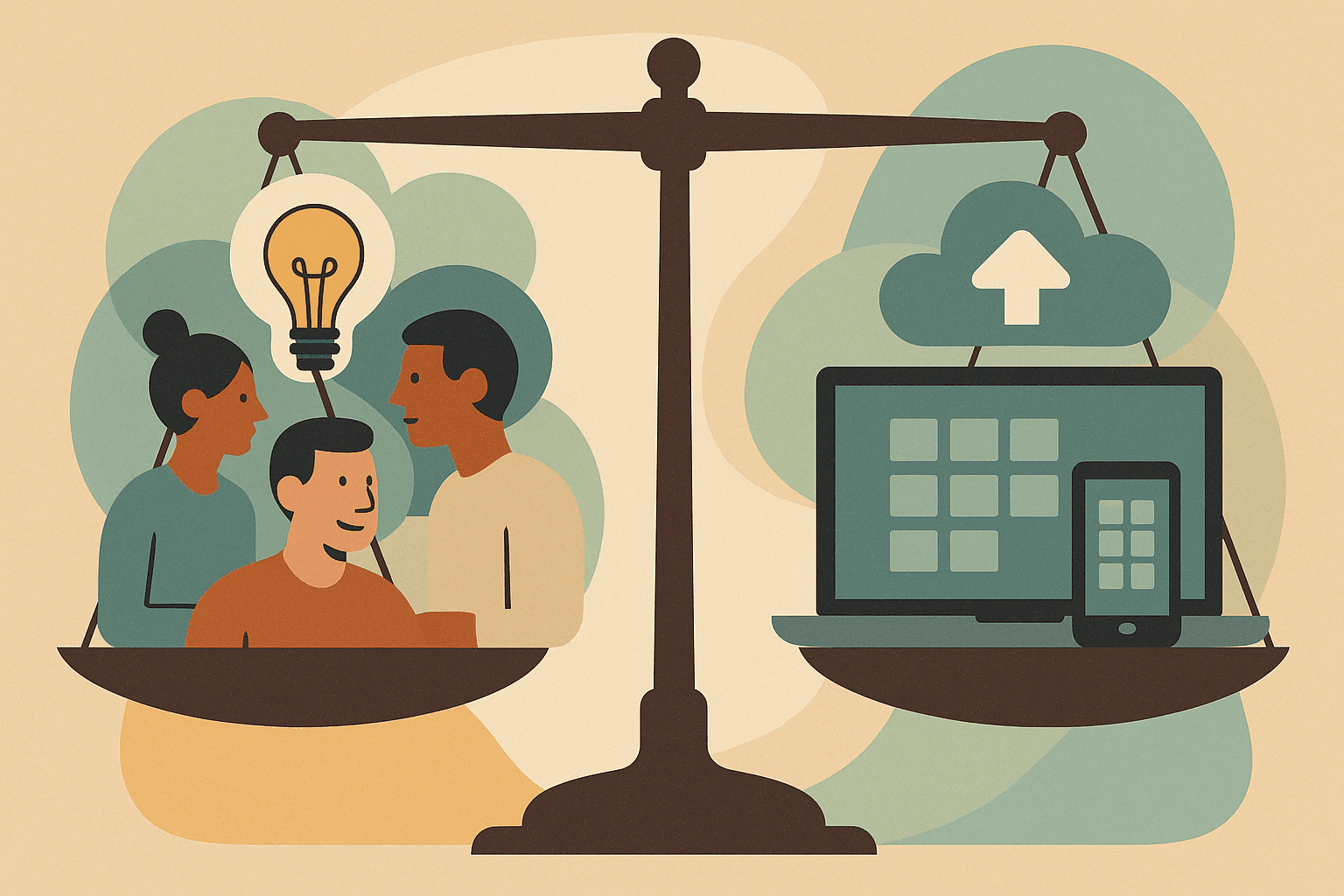

In the rapidly changing world of software as a service (SaaS), treating your product as a static entity is a recipe for obsolescence. A living system approach—where your SaaS product evolves with user needs and technological advancements—is essential for survival and growth. I've seen firsthand how products that embrace this mindset thrive, while others lag behind.

Adapting Quickly to Market Changes
The tech landscape is in constant flux. New technologies emerge, customer expectations evolve, and competitors innovate. A SaaS product needs to be adaptable to survive these shifts. This adaptability often hinges on the ability to implement changes quickly and effectively.
Embrace Continuous Delivery
Continuous delivery is a practice that enables rapid updates to your software. It's about getting new features, fixes, and improvements to users as soon as they're ready. This approach not only keeps your product relevant but also allows you to respond to user feedback promptly. In my experience, integrating continuous delivery into your development process can drastically reduce the time it takes to bring innovations to market.
For example, in my role as CTO at BuyItaly Mortgages LLC, we adopted continuous delivery to ensure our platform could swiftly adapt to regulatory changes and customer feedback. This agility kept us competitive in a highly regulated industry.
Measuring Outcomes Against Customer Expectations
To ensure your SaaS product remains a living system, you must continuously measure how well it meets customer expectations. This involves setting clear metrics and regularly assessing them to identify areas for improvement.
Customer Feedback Loops
Feedback loops are vital for understanding user needs and preferences. Implementing systems to gather and analyze customer feedback helps you prioritize development efforts that align with user expectations. This can be as simple as regular surveys or more complex analytics platforms that track user behavior.
During the early stages of KAAI TECH LLC, we prioritized building strong feedback mechanisms into our products. This allowed us to make data-driven decisions and maintain a user-centric focus, which was crucial for our growth.
Automation: The Backbone of a Living System
Automation plays a critical role in maintaining a living SaaS product. By automating repetitive tasks, your team can focus on more strategic initiatives that drive innovation and growth.
Early Automation Benefits
Automating early in the development process can set the stage for long-term success. Automation not only speeds up development but also reduces human error and improves consistency. Automating early is key to SaaS success, as it allows your team to scale operations without sacrificing quality.
In my career, I've implemented automation in various capacities, from deployment processes to customer support workflows. Each time, the result was a more efficient operation that could pivot quickly as needed.
Balancing Speed and Quality
While speed is crucial, maintaining quality is equally important. The balance between the two can be delicate but is necessary for a healthy SaaS product.
Navigating the Tightrope
Balancing speed and quality is a challenge every software team faces. Rushing to deliver new features can compromise quality, while excessive focus on perfection can delay releases. Finding this balance is critical to sustaining a living system that keeps users happy and loyal.
I've learned that clear communication and setting realistic expectations are vital. Ensuring all team members understand the trade-offs involved in prioritization decisions helps align efforts towards common goals.
Leveraging AI for Continuous Improvement
Artificial intelligence (AI) offers new avenues for enhancing SaaS products. From personalized user experiences to predictive analytics, AI can significantly boost a product's adaptability and responsiveness.
AI and Developer Productivity
AI tools have reshaped how developers work by automating mundane tasks and providing insights that drive better decisions. Exploring AI's impact on productivity can offer valuable lessons for those aiming to keep their SaaS products dynamic and user-focused.
By incorporating AI into KAAI TECH LLC's processes, we've been able to streamline operations and enhance our product offerings, ensuring they evolve alongside technological advancements.
Final Thoughts: Embrace Change to Thrive
A SaaS product that stands still in a dynamic market risks irrelevance. Treating your product as a living system is not just a strategy—it's a necessity. By focusing on adaptability, continuous delivery, customer feedback, automation, and leveraging AI, you can ensure your product remains competitive and valuable to users.