
Modernizing IT systems is a complex task that requires strategic planning and execution. As an IT project manager with extensive experience in technical operations, I've seen firsthand the challenges and opportunities involved in steering organizations through this process. In this post, we'll explore effective strategies for IT modernization, drawing insights from industry leaders and my own experiences.

Understanding the Need for IT Modernization
Organizations prioritize IT modernization to stay competitive. According to a global study by Rocket Software, many enterprises are investing up to 30% of their IT budgets in modernization efforts. This investment reflects the urgency to address outdated systems that hinder innovation and growth.
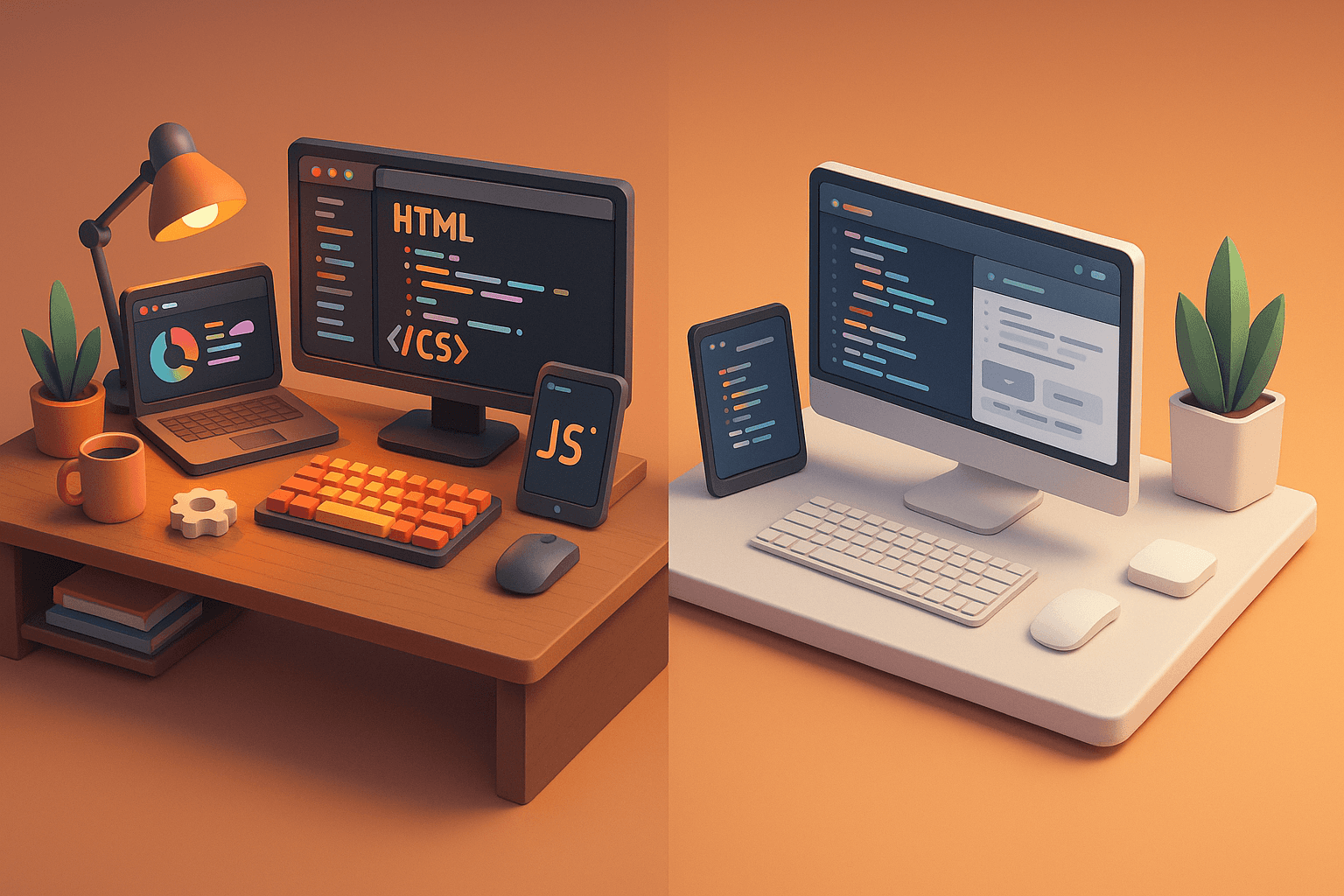
Modernization is not just about upgrading technology. It's about transforming the IT landscape to better support business goals. This often includes adopting cloud services, integrating AI, and enhancing cybersecurity measures. The CIO article on accelerating IT modernization emphasizes the need to modernize infrastructure to capitalize on new opportunities.
Key Challenges in IT Modernization
Despite the investments, achieving a successful IT modernization can be daunting. Challenges such as cybersecurity risks, technical debt, and skills shortages are common. These issues can slow down progress and lead to suboptimal outcomes.
Cybersecurity Risks
Modernizing IT systems often involves integrating new technologies, which can introduce vulnerabilities. Ensuring robust cybersecurity is essential. Organizations must adopt a proactive approach to security, incorporating measures such as regular audits and real-time threat monitoring.
Technical Debt
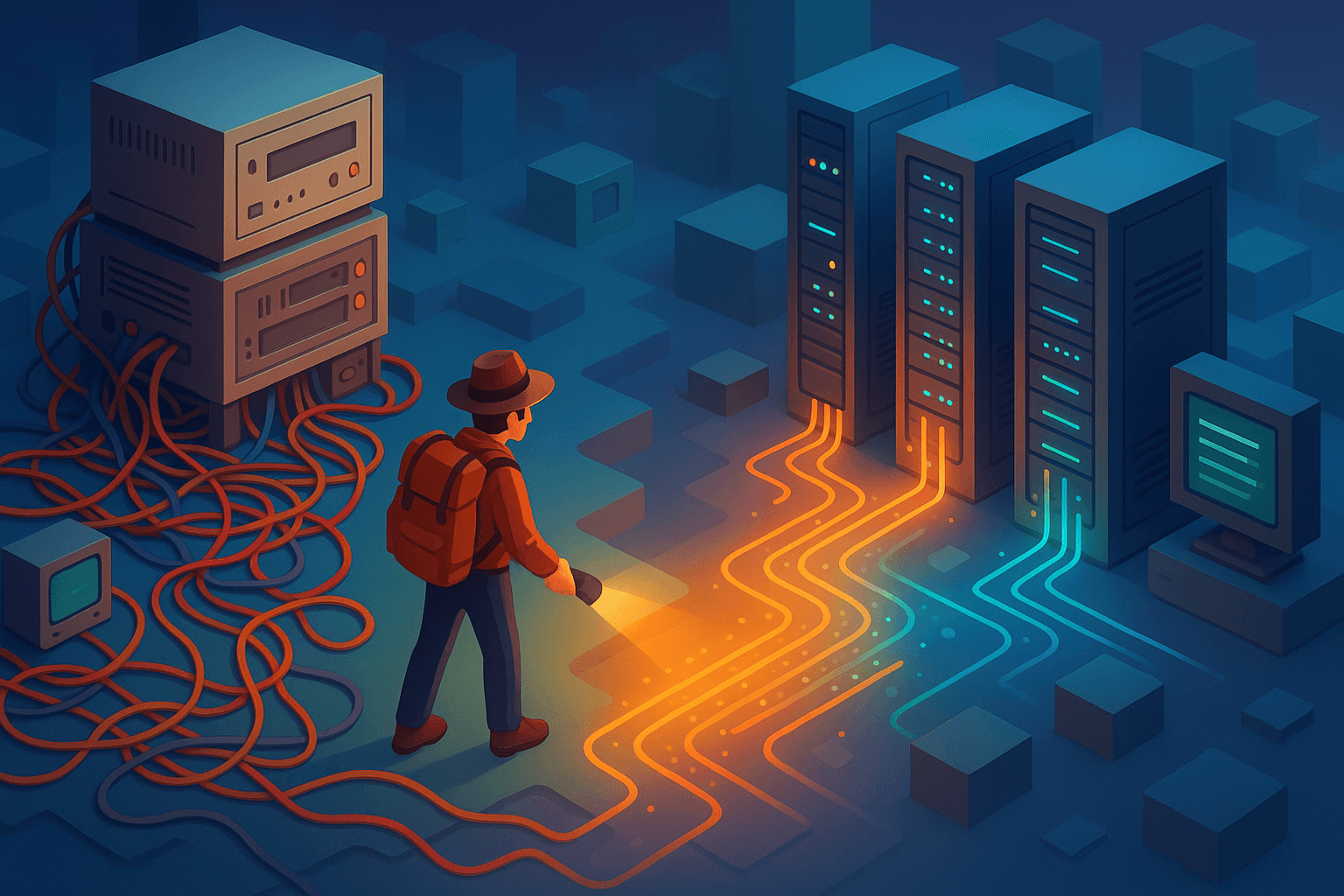
Legacy systems, while reliable, can accumulate technical debt over time. This debt can stifle innovation and increase maintenance costs. Addressing technical debt requires careful planning and a clear roadmap to replace or upgrade legacy systems with modern solutions.
Skills Shortages
The demand for skills in AI, cloud computing, and cybersecurity often exceeds supply. Organizations must invest in training and development to equip their teams with the necessary skills. Collaborating with external partners can also bridge skill gaps and accelerate modernization efforts.
Strategies for Successful IT Modernization
To navigate these challenges, organizations can adopt several strategies:
Aligning IT and Business Goals
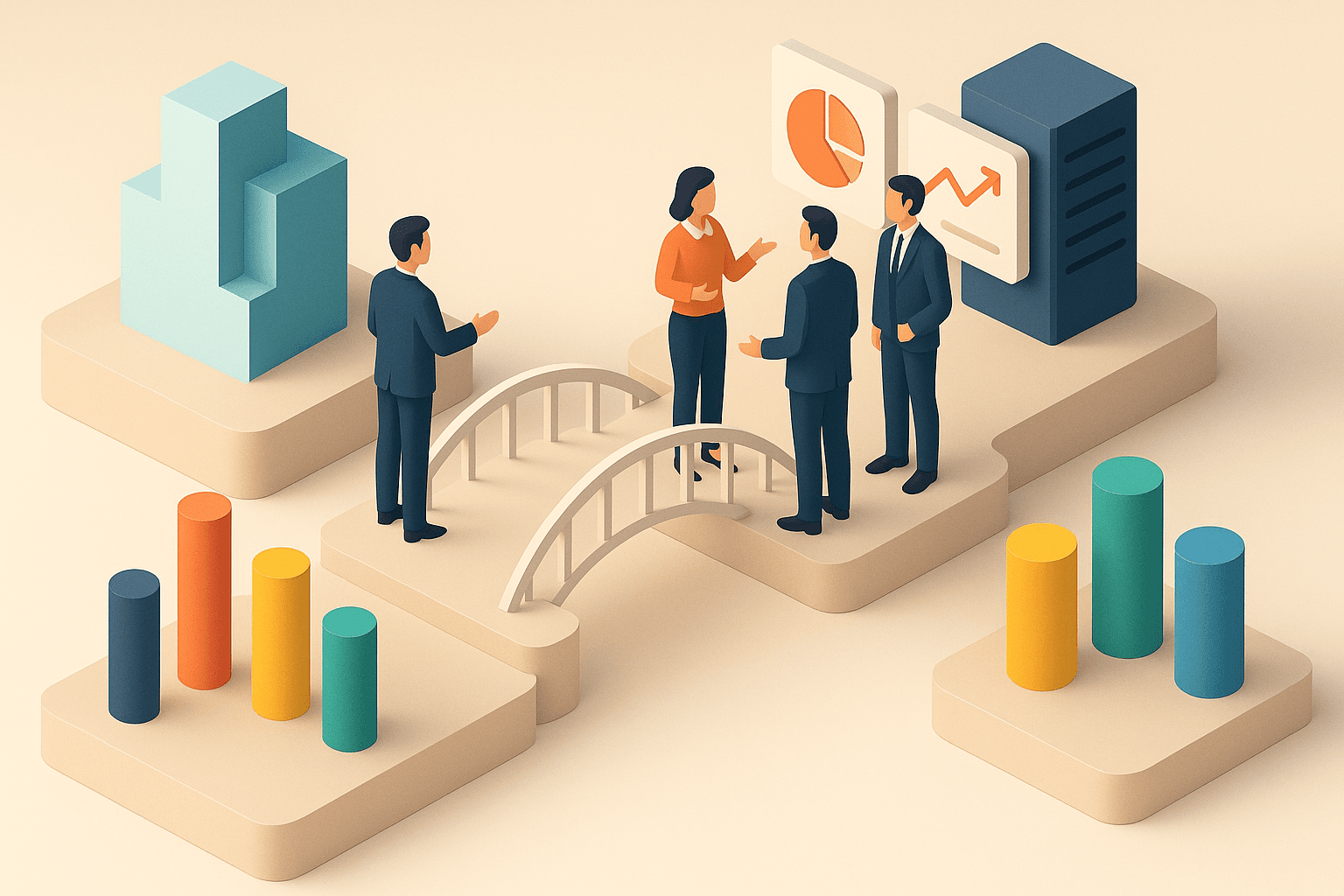
Effective IT modernization requires alignment between IT and business objectives. Leaders should ensure that modernization efforts support broader business goals, such as improving customer experience or increasing operational efficiency. This alignment fosters a more cohesive approach to modernization.
Embracing Agile Methodologies
Agile methodologies offer flexibility and adaptability, crucial for successful IT modernization. By embracing agile practices, organizations can respond quickly to changes and ensure continuous delivery of improvements. This approach also encourages collaboration and cross-functional teamwork.
Leveraging AI and Automation
AI and automation can accelerate the modernization process by streamlining workflows and reducing manual tasks. As highlighted in Why IT Leaders Must Embrace AI to Drive Modernization, integrating AI into the IT landscape can enhance decision-making and improve operational efficiency.
Leadership's Role in IT Modernization
Leadership plays a critical role in driving IT modernization. Strong leadership ensures that the organization stays focused on its goals and effectively manages the challenges that arise. As discussed in Why IT Modernization Begins with Leadership, Not Just Tools, leaders must champion modernization efforts and foster a culture of innovation.
Communicating the Vision
Leaders must clearly communicate the vision and benefits of IT modernization to all stakeholders. This communication helps build buy-in and support across the organization, ensuring everyone understands the importance and impact of the modernization efforts.
Managing Change
Modernization often requires significant changes in processes and culture. Leaders should manage these changes effectively by providing support and resources to teams. Encouraging open communication and feedback can also ease the transition and address any resistance to change.
Building a Future-Ready Workforce
Investing in the workforce is crucial for successful IT modernization. Leaders should prioritize training and development to ensure teams are equipped with the skills needed to manage modern IT environments. This investment not only supports the current modernization efforts but also prepares the organization for future challenges.
Final Thoughts on IT Modernization
Navigating the waters of IT modernization is no easy task. It requires a strategic approach that aligns with business goals, embraces new technologies, and fosters strong leadership. By addressing challenges such as cybersecurity, technical debt, and skills shortages, organizations can successfully modernize their IT systems and position themselves for future success.
For those looking to delve deeper into leadership's role, I recommend exploring Why Modernizing Your IT Infrastructure Starts with Leadership, Not Just Technology. This post offers further insights into how leadership can drive successful modernization efforts.
Sources
- IT Leadership Strategies for Infrastructure Modernization - RealVNC
- New Research Finds Majority of C-Suite Leaders Prioritize IT Modernization — Yet ROI Falls Short Without Comprehensive Strategy | Rocket Software
- 6 strategies for accelerating IT modernization | CIO
- What is IT Modernization?: Definitions and Examples | Talend